
- Info
Better for Nepalis, better for animals, better for the environment. If a choice makes one of the three worse, it is not good enough yet. That is the test we want our work, and our own habits, to pass.
- Published
- By
- SNS team
Better foreveryone
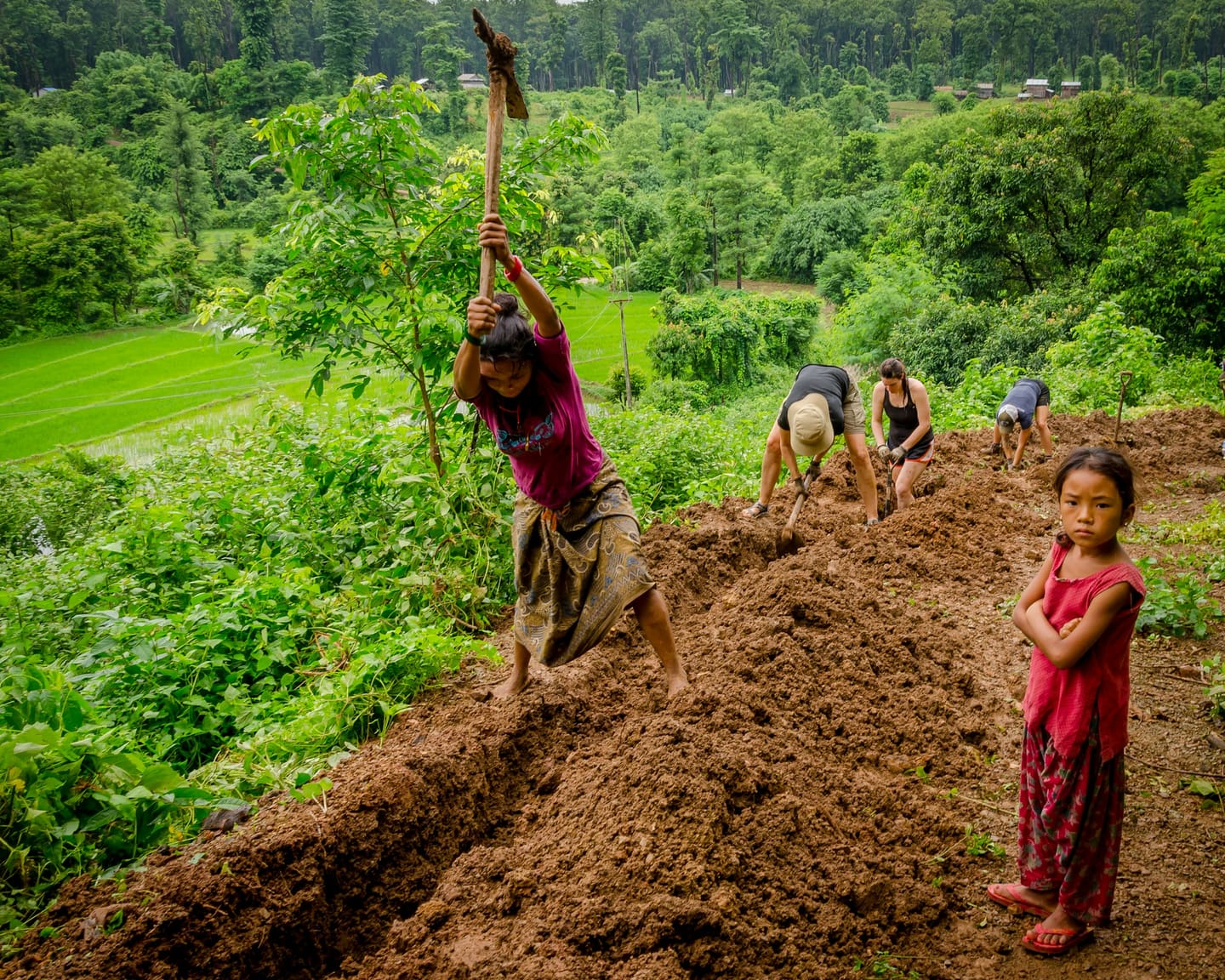
Most choices we make in a day touch three things at once: the people around us, the animals that share our streets and fields, and the land, water and air we all depend on. Too often one of them pays for the others. A cheap plastic bag that ends up in a cow. A road cut in a hurry that sends the next monsoon's landslide onto a village.
So we want a simple test for Swadesh Nai Swarga's work and for our own habits. Is it better for Nepalis? Is it better for animals? Is it better for the environment? If it fails one of the three, it is not good enough yet.
Better for Nepalis
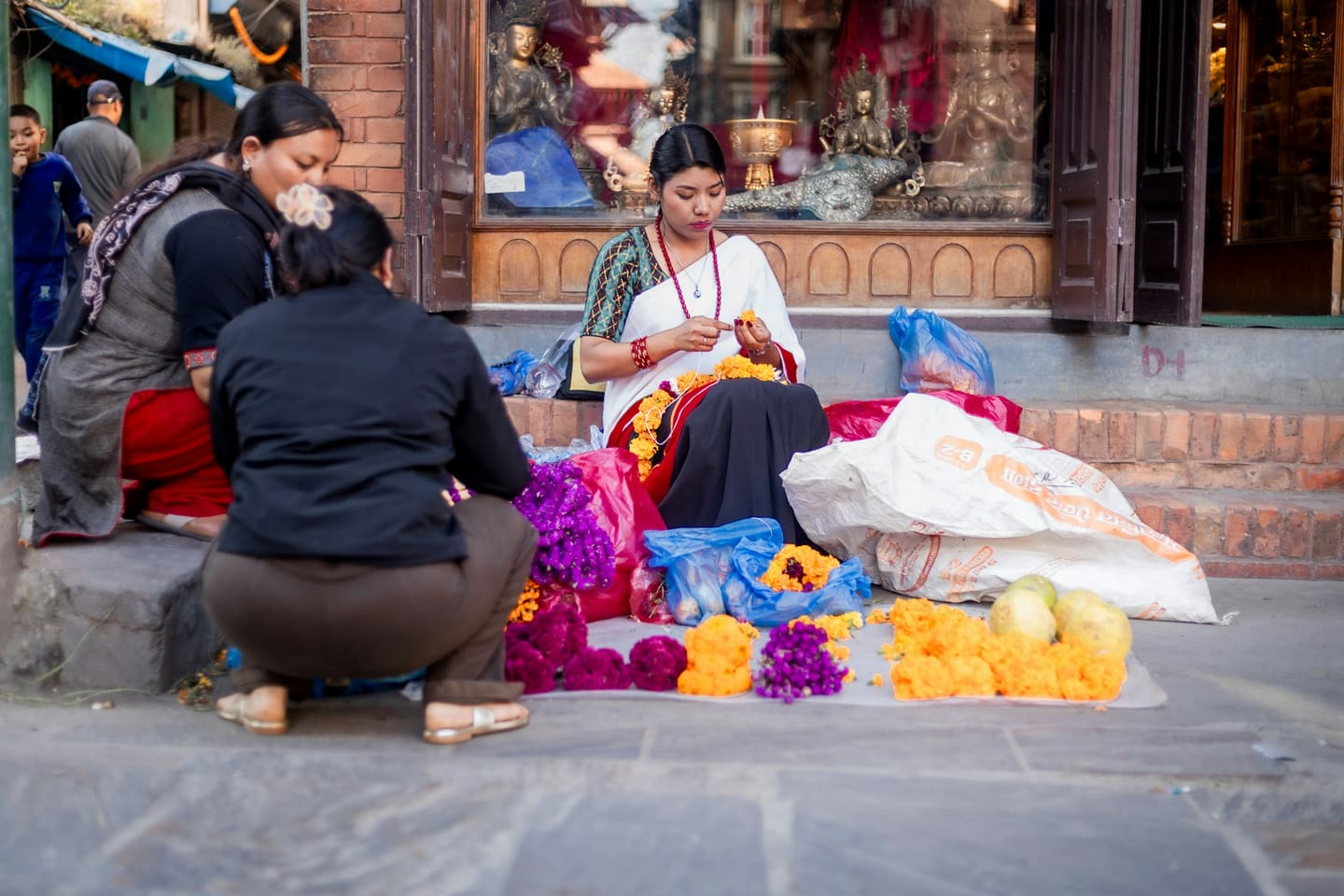
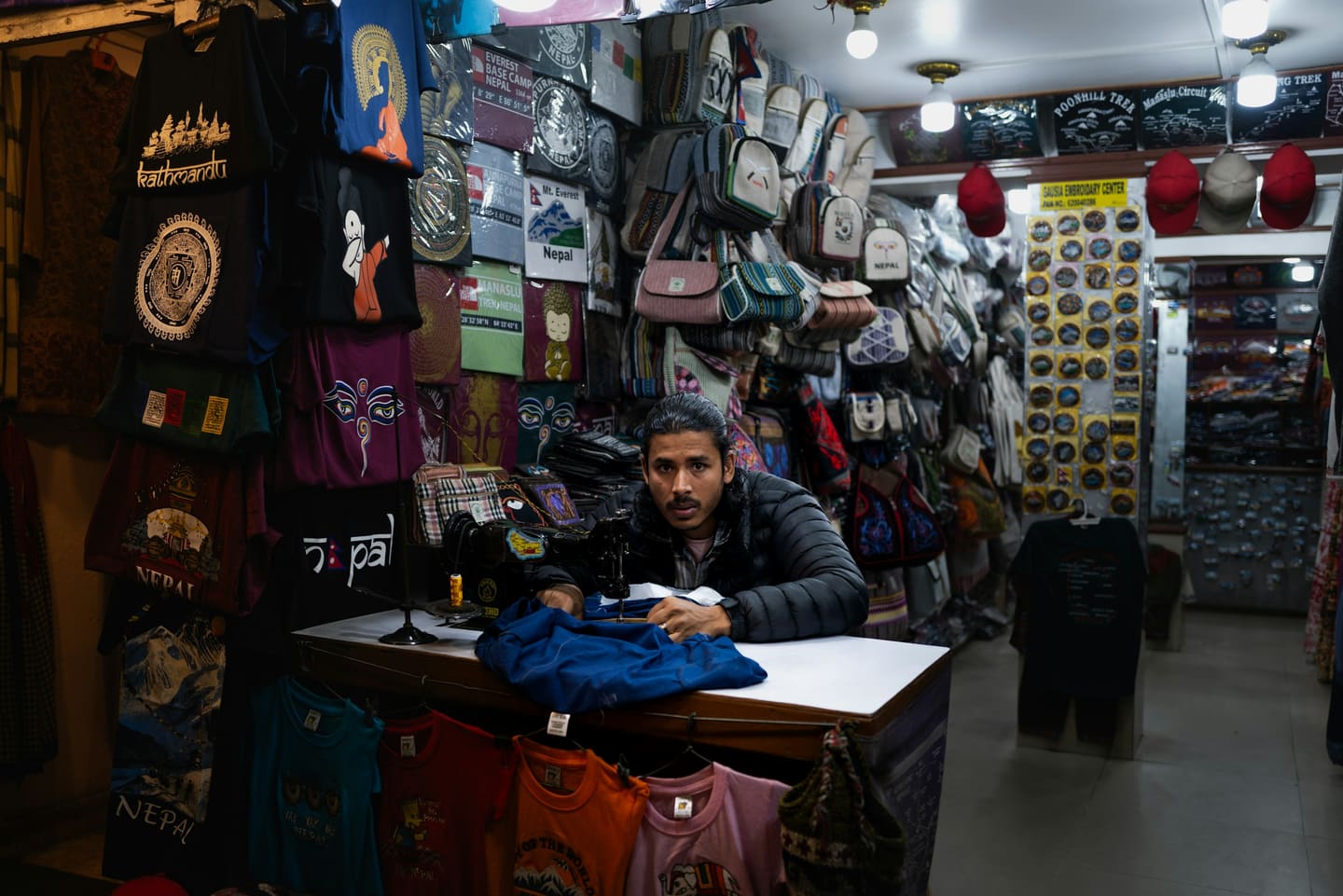
Money spent with a neighbour stays in the neighbourhood. When you buy vegetables from the farmer who grew them, tea from the shop on your corner, or a doko from the person who wove it, more of what you pay reaches a family in Nepal instead of an importer. That is the idea behind our Heart-to-Heart Market and the Local Business Directory: make the local choice the easy one.
It also means looking after each other in small, practical ways. Checking a rumour before forwarding it. Helping an older relative stay safe online. Turning up when a flood hits, with what was actually asked for.
Better for animals
Cows, dogs, goats and birds live closer to us in Nepal than in most places. That closeness is part of who we are, and it puts their welfare in our hands.
- Keep plastic out of reach. Animals on our streets eat food waste still wrapped in plastic bags, and the plastic stays inside them. Tie rubbish properly, put it out at collection time, and carry a cloth bag.
- Feed kindly, not carelessly. A bowl of clean water in the hot season does more good than sweets, or leftovers full of bones and chilli.
- Support vaccination and sterilisation of street dogs through local animal welfare groups and your ward office. It protects people from rabies and gives the dogs healthier lives.
- Treat working animals well: rest, shade, water, and loads they can carry.
Better for the environment
Nepal's rivers, forests and hills are not just scenery. They are our water, our food and, every monsoon, our safety.
- Separate kitchen waste. Much of what a household throws away is food scraps and peels, which can become compost for a garden or a field instead of a heap on the riverbank.
- Do not burn rubbish. That smoke is part of the winter air that makes the valley hard to breathe.
- Repair before you replace, and buy things that last.
- Walk, cycle or share a ride for short trips when you can.
- Plant native trees, and look after the ones already growing.
Where the three meet
The best choices pass all three at once. Seasonal food from a nearby farm pays a Nepali family, travels a short distance and keeps fields in use. A cloth bag sewn by a local tailor earns someone a living and keeps plastic out of a cow and out of the Bagmati. A cleaner ward is healthier for the children who play in it and for the animals that sleep in it.
None of this needs a campaign or a budget to start. It needs a habit, and a few neighbours who share it.
Where SNS stands, honestly
Our programmes so far are about people: local business, skills, technology and heritage. We do not yet run an animal welfare or environment programme, and we will not claim results we have not earned. What we can do now is hold everything we build to this test, and say so openly when something we do falls short of it.
If you already work with animals or on the environment in your community and want to build something with us, we would like to hear from you. Become a member, or write to us at info@swadeshnaiswarga.com.